
2025 has been quite the journey for the Gig Team at WageIndicator. This year, we deepened our conversations with platform workers and their representatives. Our goal was to understand workers’ challenges, celebrate their successes, and learn from their lived experiences. Because after all, workers are at the core of the platform and digital economy. The tools and apps people use every day succeed because of their hard work. It’s no longer just about “magic technology”: it’s about human labour, and it deserves recognition. That’s why we focused on the issues platform workers face, from pay to protection, to encourage discussion and find solutions. Here are some bits from our journey that were made possible by our partners and supporters like you.
Platform Economy Moments That Lit Us Up

#1 Living Tariff and The Future of Work
In February, we took the train to The Future of Work conference in Leuven, notebooks in hand and ideas buzzing. Our aim was to shine a light on the pay issues faced by platform workers and freelancers. More than this, we explained how the Living Tariff concept can help them achieve a decent standard of living by taking work-related costs into account and negotiating fairer rates. Rather than simply presenting a concept, we wanted to spark a conversation and engage with others exploring the issue.
#2 Highlighting Decent Living Standards at RightsCon
That same month, our team took the virtual stage at RightsCon 2025, the world’s leading summit on human rights in the digital age. We highlighted the daily challenges faced by gig and platform workers, stressing the importance of ensuring decent living standards. This starts with the Living Tariff, an hourly rate that covers basic living costs, so workers can earn enough to live, not just survive.
#3 Gig Webinar Of The Year: AI and ‘Ghost Workers’
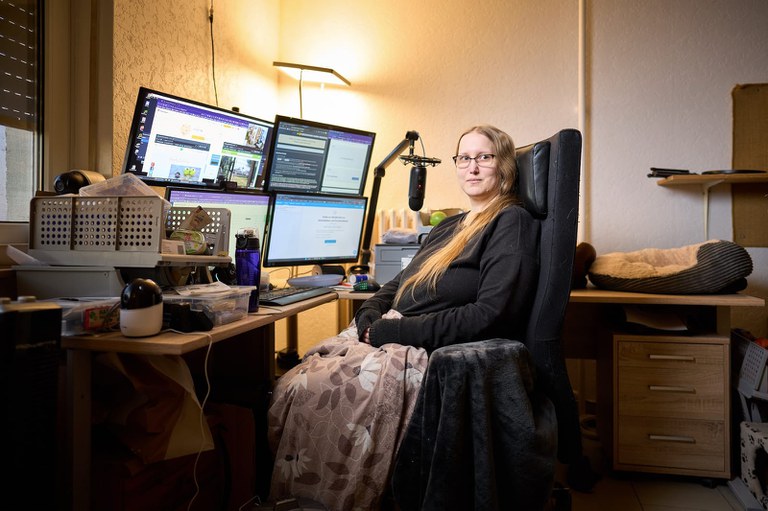
During our March webinar on AI and 'ghost workers', a group of data workers described their personal experiences. Researchers who talked with them also came and shared some testimonials. We heard some unforgettable stories: workers being paid in beans or being asked to share their body measurements. While painful, we found the stories to be eye-opening. AI suddenly seemed far less 'magical' and far more dependent on human labour.
#4 Advocating for Data Portability at the Africa Jobtech Summit
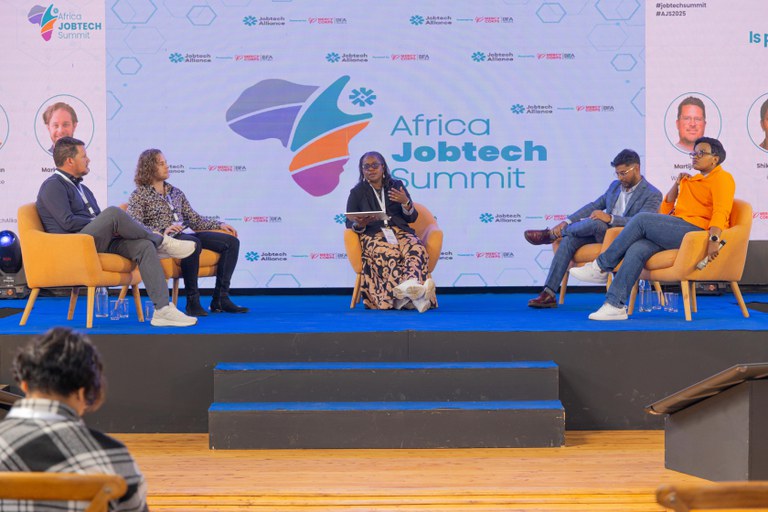
Imagine a platform worker who wants to change jobs and switch platforms. Now imagine if they could take their personal data and work history with them, rather than having to start from scratch each time. This was one of the topics that we presented on at the Africa Jobtech Summit in Nairobi. Because data portability is much more than a technical concept; it's about improving platform workers’ mobility, bargaining power, and choice.
#5 Advancing Pay Protection for the Self-Employed at the International Labour Organisation
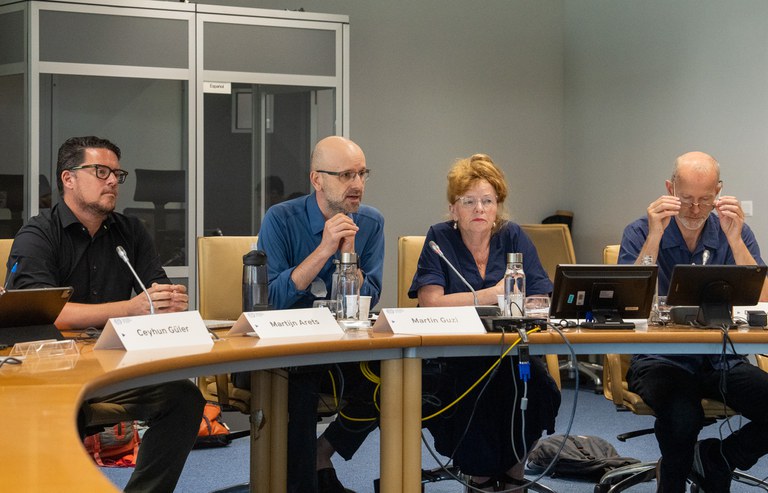
“46% of the global workforce is self-employed. Yet many still lack meaningful pay protection.”
This striking fact opened our presentation at the Regulating for Decent Work event in Geneva, organised by the International Labour Organisation. A statistic that set the tone for our presentation and highlighted why setting a tariff floor for self-employed workers is more urgent than ever.
#6 Presenting our Living Tariff Methodology in Montreal
Bringing platform workers and freelancers' voices into the global conversation doesn't happen overnight, so we kept it going. At the Society for the Advancement of Socio-Economics conference in Montreal, our colleague Marta Kahancová presented our forthcoming paper on the Living Tariff methodology. She shared our research, and emphasised the urgent need to protect the self-employed. The discussion found real traction across the ocean, and showed that the debate about fair pay and decent conditions for platform workers is moving in the right direction.

#7 Teaming up with the Kenyan Data Labelers Association
2025 was a year of extended, meaningful conversations with the Kenyan Data Labelers Association. These discussions gave us a window into the real-life experiences of their members and how the association supports them. One of the association's most important and recent achievements is the code of conduct for data workers that they developed in 2025. At their 'Ethical AI, Work, and Platform Accountability' event in July, we explored new methods of calculating a minimum tariff for data workers and clarified what 'minimum' means and which costs should be included. At that point, we started supporting the association in drafting the 'pay' section of their code of conduct. It was great to see how worker concerns can be collected and turned into practical solutions.

#8 Raising Awareness for Data Workers and PTSS
We continued talking to data workers and their representatives in the second half of the year. This included the International Network of Digital Labour conference in Bologna, Italy. Because millions of data workers around the world are making AI function, we wanted to collect their struggles to share them with our audience. At the Italian event, for example, we came to the terms that data workers are regularly diagnosed with post-traumatic stress disorder. This often comes from constantly handling sensitive content or working long hours to make ends meet. What’s most shocking is that many of them continue to experience symptoms like insomnia, nightmares, and memory problems long after they’ve stopped working.
#9 Living Pay for Self-Employed
At our webinar in November, more stories surfaced. Gig and platform workers spending 70% of their earnings on expenses and being paid in gift cards instead of cash. After months of discussion, the conversation felt more hopeful, though: the idea of a 'Living Pay', which would set a minimum pay floor for self-employed gig and platform workers, finally seemed like it could be done, and not just a dream. We looked at existing pay-floor models from around the world for inspiration and asked ourselves: How should a pay floor be calculated? Which risks and living costs should be included?
#10 Launching our Living Tariff Tool in South Africa
When the Living Tariff tool was launched in South Africa, publishing had never felt so good. Now fully updated and available in six countries (Indonesia, India, Kenya, the Netherlands, Pakistan, and South Africa), the tool is designed for gig and freelance workers, providing practical pay calculations that account for work-related expenses, taxes, and social security. We added one more country this year (and plan to add more) because the stories we heard made one thing clear: a pay floor is not just a nice-to-have; it's a milestone. It can allow platform to do more than survive, but it also gives them the power to negotiate better working conditions. This way, they can establish the standards they need to earn a decent living. Since they don't benefit from Minimum Wage laws, collective bargaining, or Living Wages, this could be a strong place to start.

#11 Giving a Guest Lecture on ‘Ghost Workers’
Putting workers first is always the right approach, even when talking to a generation that will likely interact with AI, digital tools, and platforms like never before. We realised this during a seminar at the Amsterdam University of Applied Sciences. After we discussed ‘ghost workers’ and shared the stories we had collected over the year, one student raised their hand and said: "We've discussed the legal and ethical aspects of AI in class, but not the role of the workers behind it. I am shocked." We all secretly fist-pumped inside and confirmed once again that giving workers a voice can make all the difference in the conversation.
#12 Good News: ‘Fair Pay’ added to Code of Conduct
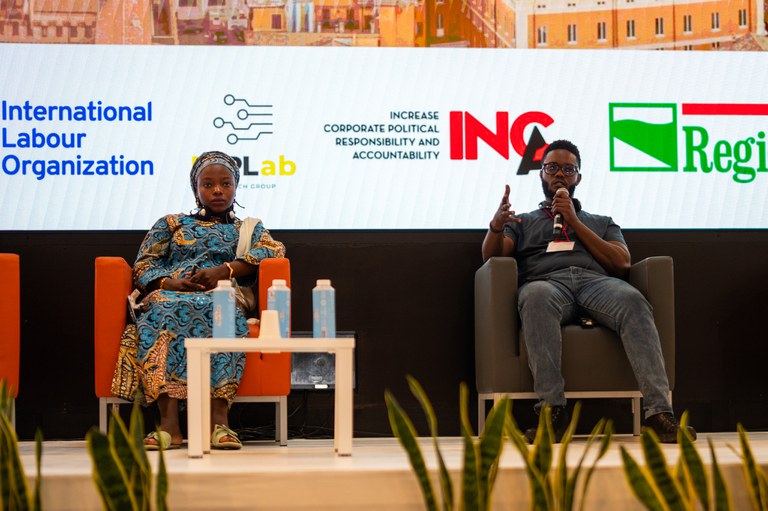
In December, the Data Labelers Association included the ‘fair pay’ concept into their code of conduct. A moment showing how ideas can take root and spread. And there’s more to come: the association is planning a pay survey among data workers to highlight their needs and realities. We’re excited to help create the survey and share more real-life stories. Stay tuned!
Keen to go deeper and explore further?
You'll find all the links to events, podcasts, and interviews here:
Future of Work Event:
- Highlights & Pictures: Reclaiming the value of work in the digital economy: A report from an inspiring conference in Leuven
Ghost Workers Webinar
- Highlights: Data workers and AI: moving from 'invisibility' to better working conditions
- The myth of automation: How AI is and will remain dependent on cheap human labour Podcast episode with Antonio Casilli, author of the book Waiting for Robots, the Hired Hands of Automation
- Ghostwork: the invisible world of work behind AI - Podcast episode with Claartje ter Hoeven (Utrecht University) about research into the hidden world of European data and ghost workers.
ILO's Regulating for Decent Work Conference 2025
'Ethical AI Work and Platform Accountability'
- Speakers & Presentations 'Ethical AI Work and Platform Accountability'
International Digital Labour Network conference
Living Pay Webinar
- Highlights: Beyond the Business Model: Why Pay Floors for Gig Workers Demand Awareness
- Pay in gig economy jobs: "It's about defining what counts as work. Unpaid labour included" Interview with Valeria Pulignano, KU Leuven
Living Tariff
- Living Tariff tool
- Living Tariff and gig workers: a new concept for calculating costs and raising awareness Highlights from the online session led by Paulien Osse (Head of the WageIndicator Living Wage Team) and Daniela Ceccon (Data Director)
Seminar at the Amsterdam University of Applied Sciences
Data Labellers Association
- Data Labelers Association speaks up for invisible workers: “Ultimately, it's about respect and human decency Podcast episode with Ephantus Kanyugi, co-founder
More Stories
- Survival versus perspective? ‘It's not about money, but about taking responsibility’ - Podcast episode with Frida Mwangi, founding member of the Kenya Union of Gig Workers (KUGWO)